
Summer 2026
4
Fabulism, Time Loops, and Pet Photos: A Conversation with Cole Bucciaglia
Fabulism, Time Loops, and Pet Photos: A Conversation with Cole Bucciaglia
Hannah Comerford
Managing Editor
Class of 2019
At this year’s RWW residency, we’re hosting the fiction writer Cole Bucciaglia (pronounced “Buchaya,” like “papaya”). Cole is the author of We Were Restless Things and the forthcoming Everybody Dies; her stories have been featured in journals such as Tin House, Cream City Review, and West Branch.
I was excited to ask Cole a few questions so we could get to know her before meeting in person this summer. This interview has been slightly altered for length.
* * *
Hannah Comerford: We’re excited to have you join this summer residency. What are you looking forward to?
Cole Bucciaglia: I’m looking forward to working with students and meeting the faculty. My husband, Sequoia, is an RWW faculty member, so I’ve heard about the summer residency, but now I’ll get to go there, experience dorm life, and see everyone firsthand, so that’s exciting.
HC: You’ll be teaching a class on fabulism, which the description defines as “a term used to describe literature in which the fantastical and surreal are interwoven with the fabric of everyday life.” What originally drew you to fabulism?
CB: Most of my favorite stories are set in “our world” but with the presence of strange occurrences that resist easy explanation. Part of the appeal might be that I wish I could view our reality through that lens, as a place where magic can actually happen and where, especially considering our reality, solutions and closure might be achievable. I’ve also always liked fairy tales, and fabulism has a lot in common with them; but where traditional fairy tales tend to deliberately operate with relatively flat characters, contemporary fabulism tends to deepen its characters. A lot of the bizarre or seemingly magical things are driven by (or reflect) characters’ emotions and experiences, and the genre tends to be less fixated on explaining how the “magic” works than exploring what it means to the characters, what it means to be human. As someone drawn to both fairy tales and character-driven stories, fabulism is an interesting and specific place where the two can overlap.
HC: What do you hope participants will take away from your class?
CB: If they haven’t experimented with writing fabulism before, then I hope they come away with an appreciation for a genre that was new to them and perhaps shed preconceptions about literature that plays with fantastical elements. For those who might be more familiar with the genre, I hope they walk away inspired either to pursue new story ideas that may have sparked in the class or to continue their ongoing work with renewed enthusiasm.
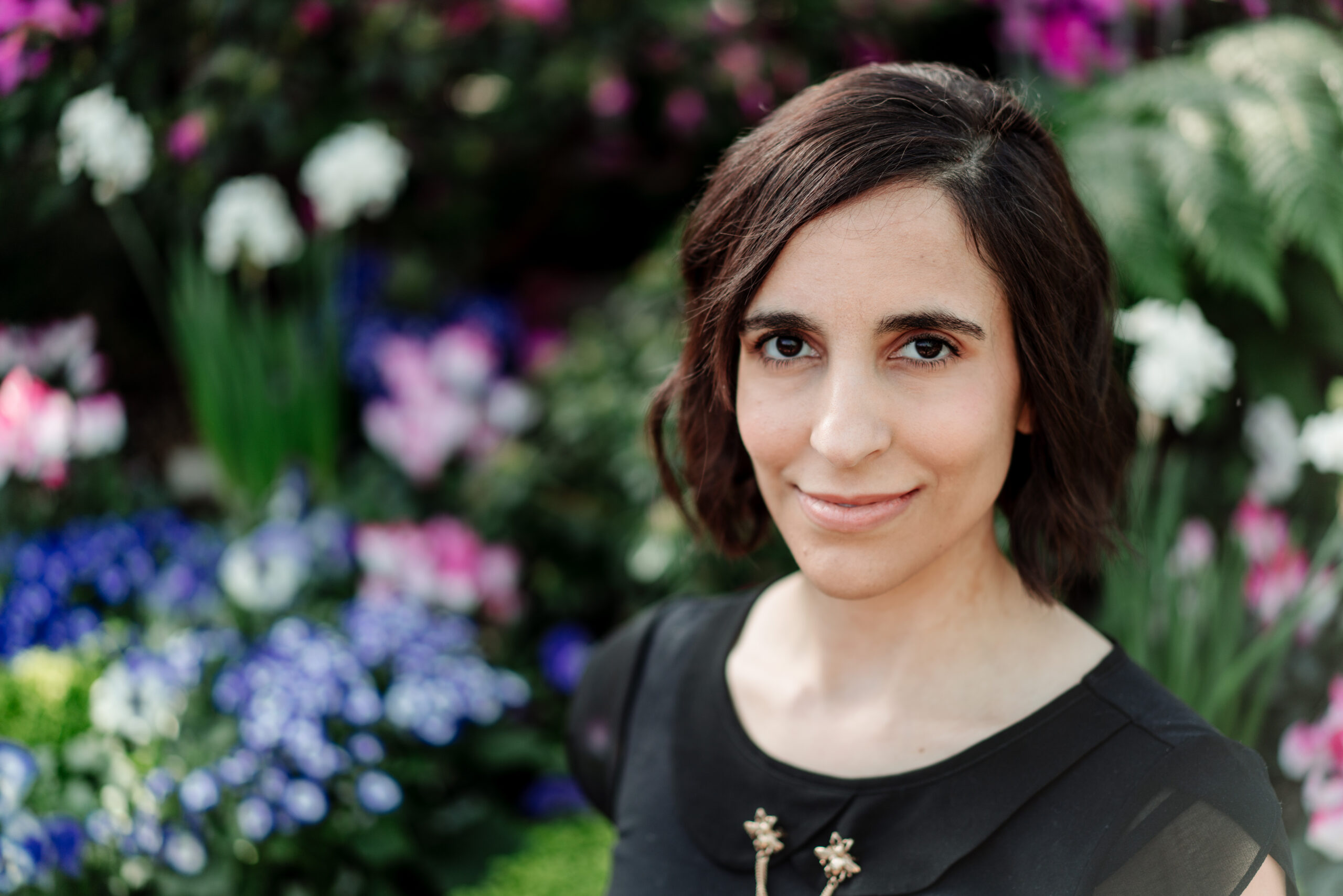
HC: Can you tell us a bit about your forthcoming novel? What was the writing process like?
CB: My novel is called Everybody Dies, and it’s being published by Red Hen Press next fall. It’s a time loop story. A teenager moves cross-country to live with her much older half-sister after their mother dies in a car accident. The book picks up after the younger sister’s arrival on a fictional island in the Pacific Northwest, and it soon becomes apparent that, even though she’s never been there before, some people and events feel oddly familiar. Neither sister knows they are in a time loop, but other timelines intrude through the omniscient narration, so the reader gets to see how some things happen differently in other realities. After a devastating earthquake a few months later, time reboots, but because they don’t retain their memories, they always stay stuck in the same period of grief. The driving question is whether time will ever move forward, or—if it doesn’t—whether they’ll at least be able to form new memories and move forward emotionally.
As for the process, I wrote it before the pandemic, during a period post-grad school and pre-2020 when writing came easily to me. The first draft was written pretty quickly at a speed I don’t think I can match anymore. The writing was really fun, because I wrote it before I had published a novel (I published my first and likely last YA novel in 2020), so I didn’t think much about my potential readers—who were entirely hypothetical—and just wrote the book I wanted to write. (I do think it’s important to write with an awareness of audience. But I also find it very important to not worry so much about what an imagined audience will think that you end up frozen, which is something I struggle with.) I started off wanting to tell something that emulated the experience of playing a meta video game where choices matter and you learn more about the characters and the world as you read more routes. Once I started writing, I immediately opted not to implement any actual choices. I probably could have written something along the lines of “If you go to the kitchen, turn to page 4. If you go to the garden, turn to page 12”; instead, I showed other possible paths as intrusions within the main timeline, and then the narrative just continues right past them. I used index cards on a corkboard to keep track of everything while I wrote.
HC: What’s a special interest you have outside of writing?
CB: Most of my hobbies are storytelling related, so when I’m not reading or writing, I’m often playing games or watching television. My current obsession is the TV show From. It’s in its fourth season, but I just started watching it and crammed the first three seasons into a few days. It’s a mystery box horror, so it speaks to me as someone who likes Lost, Twin Peaks, Dark, and Yellowjackets. I like TV shows with elaborate lore, which answer questions with more questions. So right now, 75% of my focus is on From. If I’m walking my dog or having dinner or making the bed, I’m thinking about that show.
HC: Is there anything else you’d like us to know about you before July?
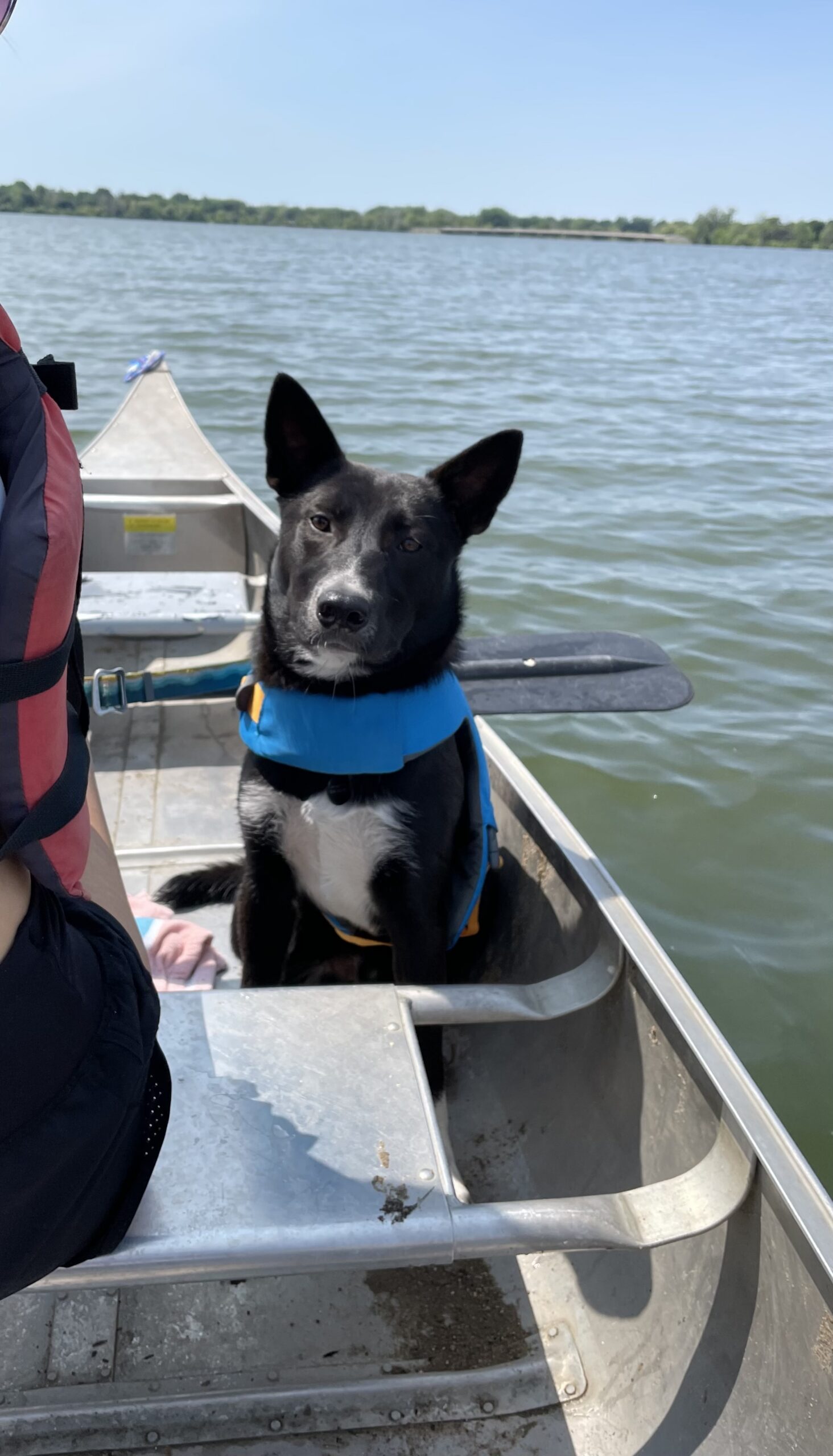
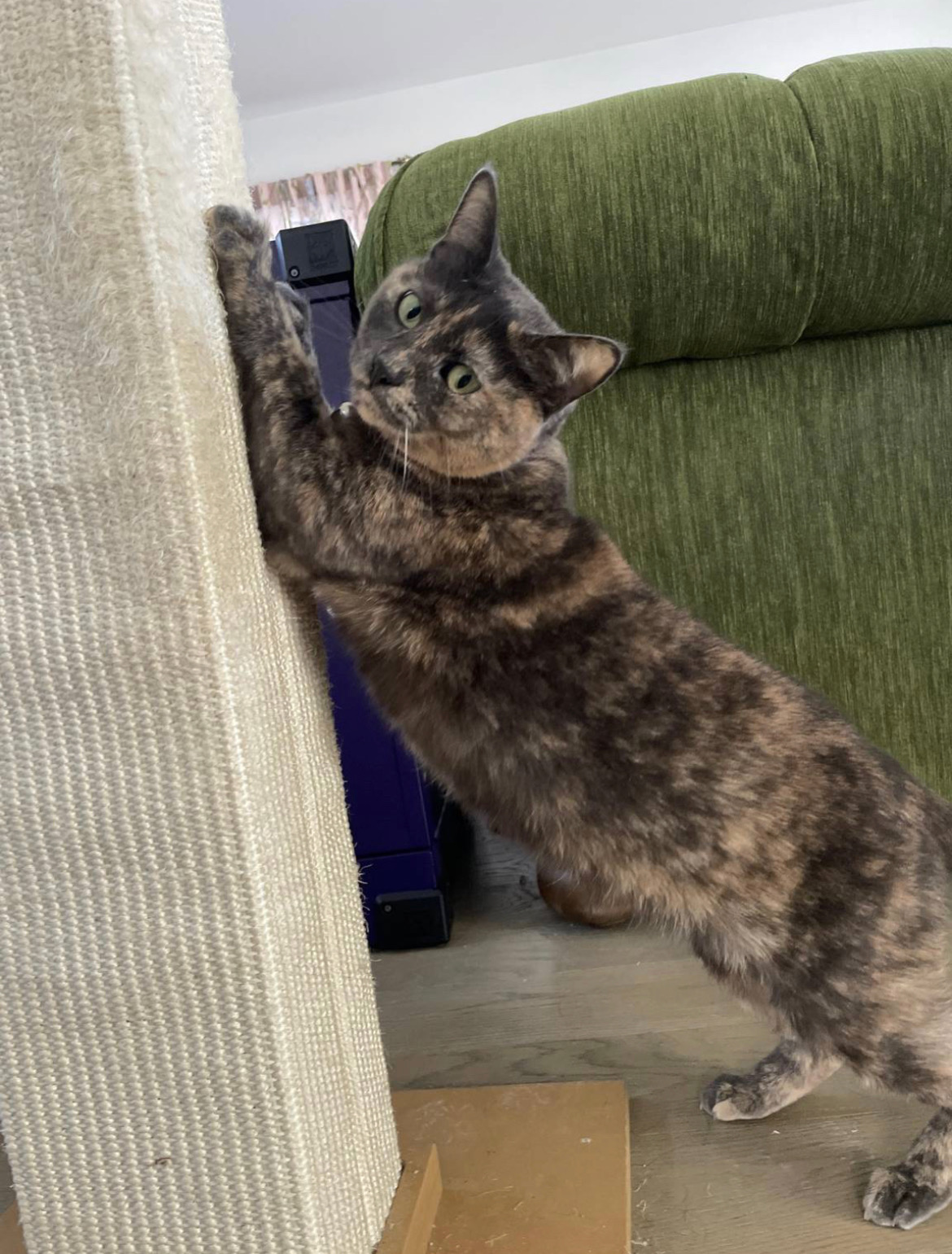
CB: I have a cat and a dog (both named after video game characters). We have someone coming to our house to watch them during the residency, so they’ll be with one of their favorite human friends, but I know I’ll miss them. Feel free to show me your pet photos. I love animals, and I’m always happy to look at animal photos or hear stories about other people’s pets. I also like collecting weird ephemera, and our house is kind of a museum of surreal items and imagery. Fortunately, our dog has outgrown his desire to shred all our books and knickknacks.
Finally, I’ll share a list of some random favorite books: Duplex by Kathryn Davis, The Starless Sea by Erin Morgenstern, Our Wives Under the Sea by Julia Armfield, and The Bog Wife by Kay Chronister. I mostly read novels when I read for pleasure, but a short story collection I’ve read many times and often teach is Kim Fu’s Lesser Known Monsters of the 21st Century.
* * *
Cole Bucciaglia received her MFA in fiction from Southern Illinois University Carbondale where she worked as an assistant editor at Crab Orchard Review. Her short fiction has been published in Tin House, Cream City Review, Podcastle, and other publications. She spent several years as the editor-in-chief of Psychopomp Magazine, an online prose journal. Her novel, Everybody Dies—about two estranged sisters caught in a time loop that repeatedly culminates in a devastating earthquake—is forthcoming from Red Hen Press in fall of 2027. Cole works as a professor of creative writing at St. Olaf College in Minnesota. Originally from Philadelphia, she now resides in Minneapolis with her spouse and their pets.