
Summer 2026
3
Exploring Light and Loss: A Conversation with Rebecca McClanahan and Brenda Miller
Exploring Light and Loss: A Conversation with Rebecca McClanahan and Brenda Miller
Rachel Grenier
Contributing Writer
Class of 2027
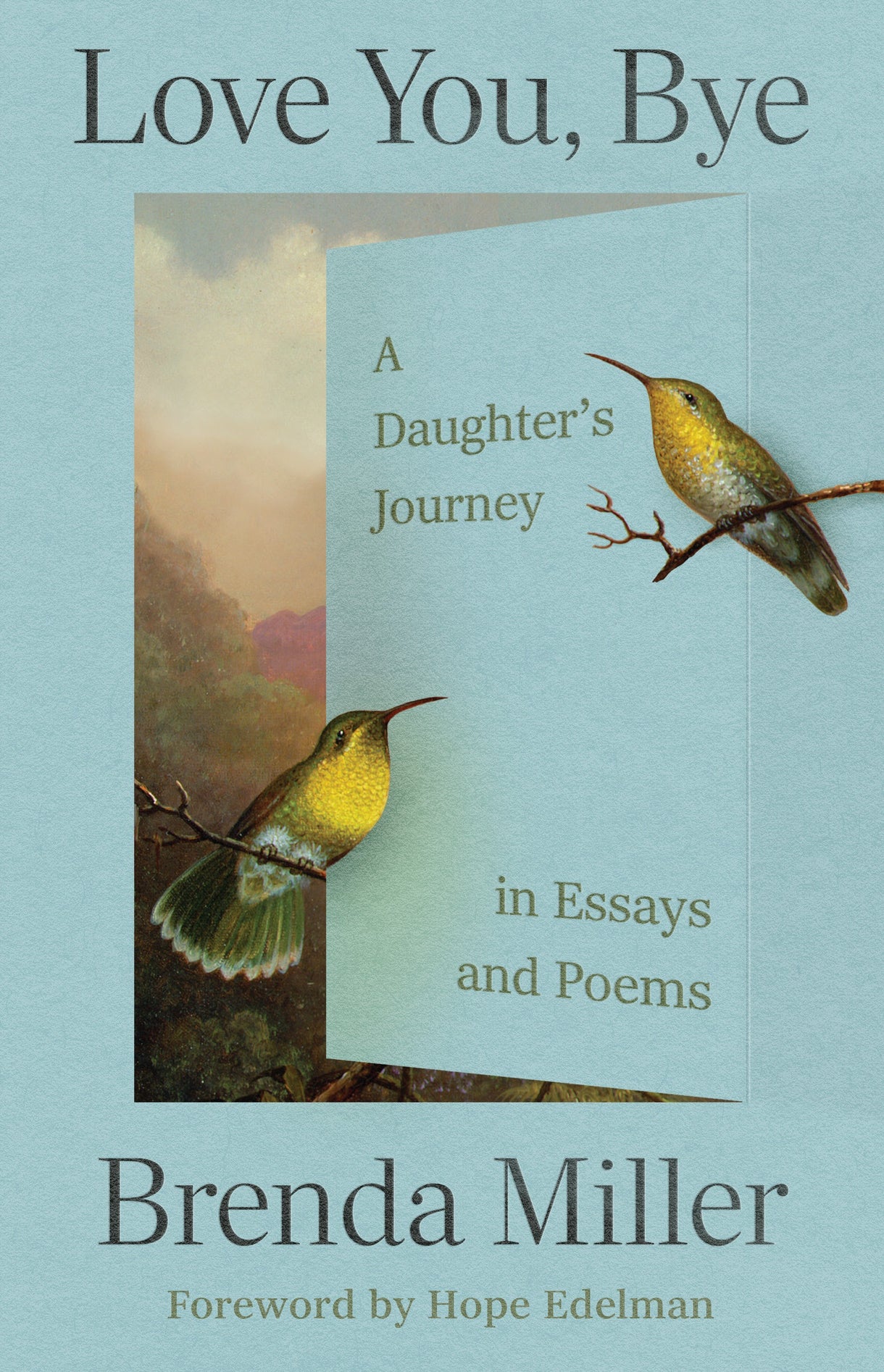
Rebecca McClanahan and Brenda Miller did not set out to write companion books. But their newest works—Miller’s Love You, Bye and McClanahan’s Light Falls on Everything—arrive in quiet conversation with each other, both exploring the tender territory of caregiving, daughterhood, grief, and the complex light that remains after loss.
In May, the two award-winning authors and former RWW faculty members gathered for Light and Loss, a virtual event featuring readings from their new books, conversation about writing through difficulty and loss, and writing prompts inviting attendees to explore their own experiences. The hour offered more than a literary discussion; it became a shared space for considering how writers transform private experience into art, and how caregiving can reveal both the joys and tragedies of love.
Both McClanahan and Miller will return to the RWW community during the 2026 residency in July. Ahead of that gathering, I continued the conversation about their new books, their writing processes, and the craft of shaping intimate material into work that can connect and create community with others.
* * *
Rachel Grenier: At the Light and Loss event, you noted several almost uncanny points of connection between your lives and work: you are both middle children, both caregiving daughters, both former RWW faculty members, and now both authors of books released around the same time exploring similar experiences. When did you begin to sense that your books were in conversation, and what felt meaningful about discovering that overlap?
Brenda Miller: The wonderful thing about teaching at RWW for so many years is that you get to know your fellow faculty and students in a deep way through the written word. Often the most intimate parts of our lives are difficult to articulate in the noisy everyday world or around the dinner table, but every evening we filed into the Scan Center and listened with pure attention to one another, absorbed the stories, and resonated with them.
So I knew that Rebecca and I were going through similar things in our lives, but it was only when our books came out at the same time that I saw how closely connected we have been all along. Our work as hospice volunteers, our reliance on literature and poetry to make sense of life, our feelings of helpless love for our aging parents: these connections all emerged more directly once our books became friends.
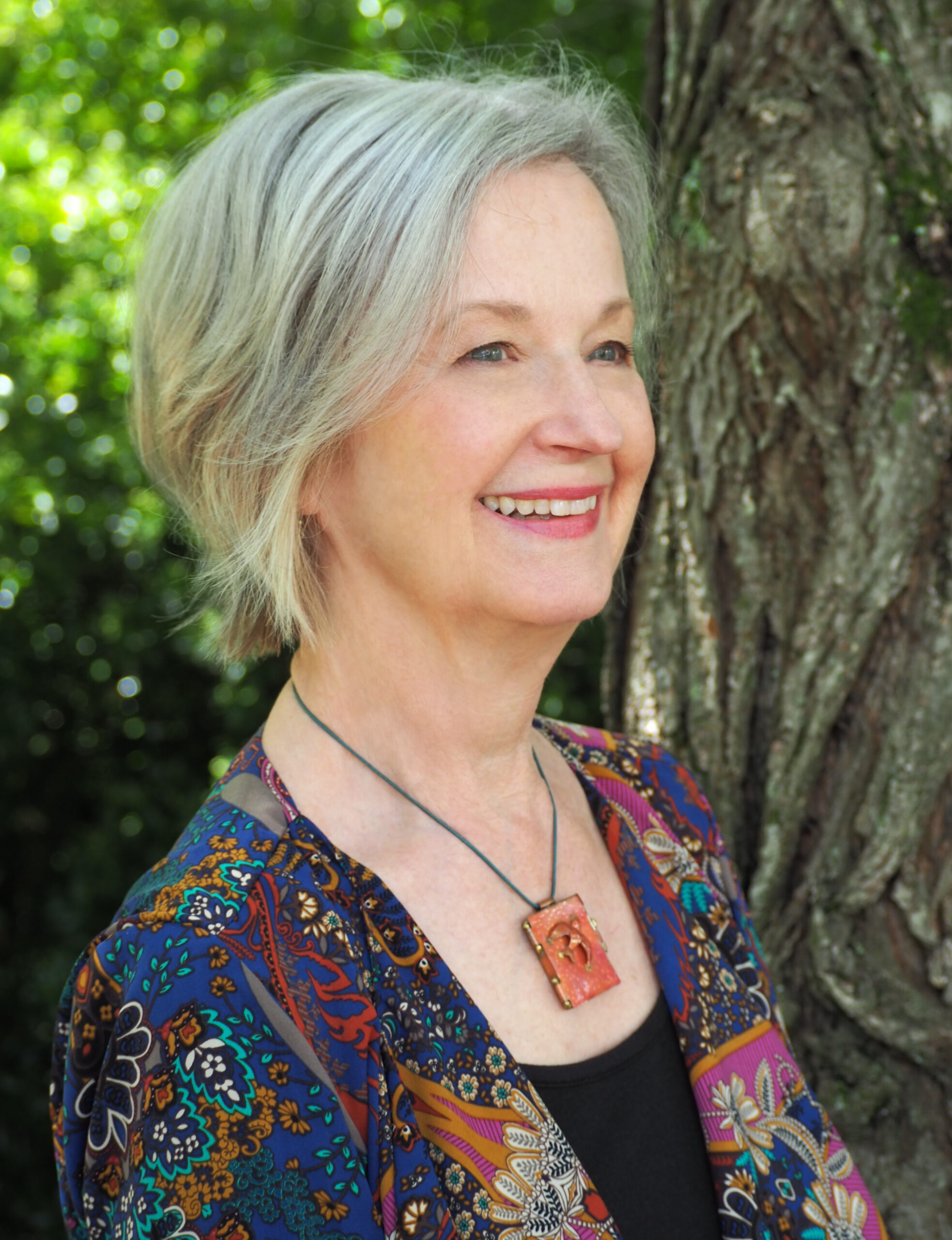
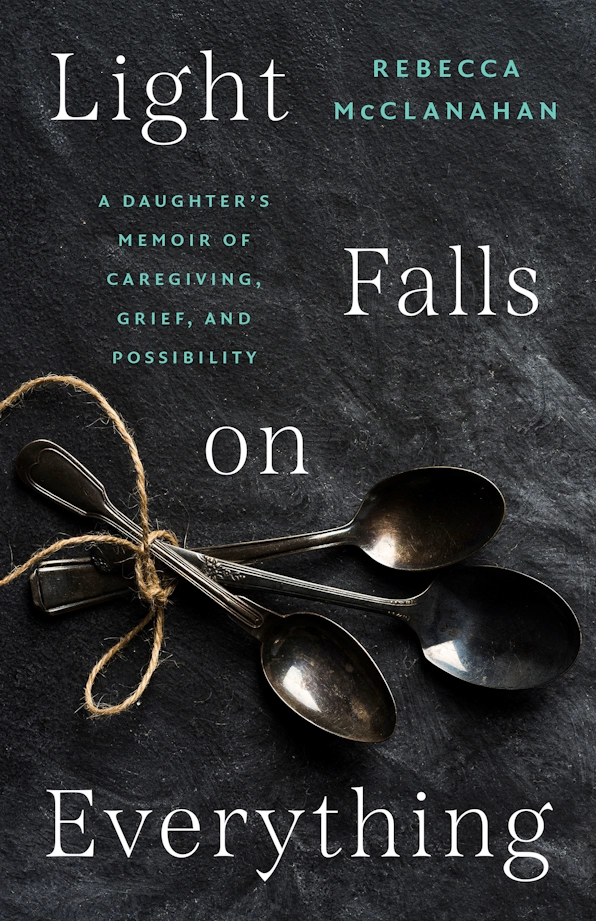
Rebecca McClanahan: Oh, I love that phrase, Brenda: “our books became friends.” Yes, indeed. Literary friendships are unique in that we learn about others not only through real-life encounters but also through the written word. The outside, noisy world quiets for a while, and we, as readers, can get inside our literary friends’ lives in ways that we can’t during social events. Reading Brenda’s book, I got to know her not only as a writer, teacher, and friend, but also as a daughter whose struggles with caregiving dovetailed with mine, as did the moments of lightness and joy.
RG: At your recent Light and Loss event, you read from your books, talked about craft and grief, and offered writing prompts for attendees to carry the conversation into their own writing afterward. What felt important about making the event not just a reading, but an invitation for others to reflect through their own writing?
RM: When I first began publishing segments that eventually became part of my book, I received personal responses from readers who had served or were currently serving as caregivers. It was clear they wanted—and needed—to tell their own stories. Now that I’m conducting readings from the book, I encourage questions and comments from audience members, and I sometimes suggest ways for them to begin writing about their own experience; it just seems a natural extension of the conversation.
BM: I think for both of us at this stage in our writing and teaching careers, we naturally see our work as the work of connection. We aren’t just writing for ourselves, but to forge a larger community through writing. With this topic in particular, we are inviting readers to enter a deeply vulnerable space with us and, as Rebecca says, it’s a natural, almost necessary step to invite them into the writing itself.
RG: Collaboration has been a significant part of Brenda’s writing life, and Rebecca’s collaborations have often taken shape through teaching, interviews, and conversations. The Light and Loss event brought your two new books into conversation with each other. What does literary collaboration make possible—for the writers, for the work, and for the readers?
BM: Collaboration creates its own energy; things come into being that never would have occurred any other way.
“Collaboration creates its own energy; things come into being that never would have occurred any other way.”
I first collaborated on Tell It Slant with Suzanne Paola, and then on The Pen and the Bell with Holly J. Hughes. These were both instructional texts, and we were able to bring our own areas of expertise to the topics at hand, providing a wider range of material than either of us would have produced on our own. For The Pen and the Bell, Holly and I drafted the book in letters to each other, so while the book itself didn’t remain in that form, the writing still has that sense of our two minds and hearts in conversation, working our way toward meaning and connection.
My most recent collaboration with Julie Marie Wade, which resulted in our book Telephone, had a different flavor. We began our collaboration at RWW (as did Holly and I!), and we were simply interested in continuing a conversation we had started over lunch at 208 Garfield. Our writing took on so much momentum, we just kept going. Whenever I sit down to write in response to something Julie has sent me, I enter what feels like a hidden room in my mind, a secret place accessed by magic keys and incantations. I would never get there on my own.
RM: “Never get there on my own.” Yes. Collaboration, in whatever form, takes us places inaccessible through other means. It is a natural extension of curiosity and also reveals a hunger for connection. (Even caregiving is a form of collaboration. The care recipient must give over part of themself to receive care, and the caregiver becomes a recipient of that gift. At least, that was my experience.)
Every time I’ve co-taught with someone, I’ve become a learner, experiencing anew not only the subject we’re teaching together but also alternate teaching methods. The more different our methods are from each other, the more I learn, and I find myself in future classes adjusting my own teaching based on what I’ve learned. The same thing happens when I serve on a panel with fellow writers or when I’m interviewed—like right now!—and I get the chance to collaborate with the interviewer.
RG: You both described collecting pieces of the caregiving experience as you lived it—notes, emails, records—without necessarily knowing they would become books. How did those fragments eventually begin to reveal a shape?
RM: From the very beginning of what would become nearly a decade of caregiving, I felt compelled to write, if only a few notes on a hospital napkin, on a pharmacy receipt, or in the margins of my parents’ desk calendar. At the time, I had no idea that these scribbled notes, and later the segments that grew from them, might one day compose a book. I was just trying to get from one day to the next, one night to the next; writing was a survival technique. And since I was my parents’ power of attorney as well as their health care representative, I was also sending numerous emails and texts not only to my five siblings and extended family and friends, to keep them informed, but also to doctors and others connected to my parents’ care, so I had a critical mass of writing detailing the chronology of that decade. After a while, I began to sense that a single-arc narrative was building. Not a memoir-in-essays, as my New York book [In the Key of New York City] was, and not a collection of essays or poems. After several major revisions, I saw that the book would be structured more like a chapter novel divided into three acts, with epistolary segments opening and closing the book.
“I was just trying to get from one day to the next, one night to the next; writing was a survival technique.”
BM: Yes, like Rebecca, I was writing in the midst of this life, mostly just trying to remember what happened in a day. I was also collaborating with Julie, and I have various writing groups where we generate lots of words from random prompts, so those processes also enabled me to get down some of my experiences and flashes of imagery while they were fresh. My book also includes poetry, and I sometimes participated in National Poetry Month’s “Write a poem a day” challenge, which forces you to just write what comes to mind without overthinking it.
So, as you can tell, I rely on community to draft new writing; I now find it very difficult to just write on my own. By doing this, I amass a quantity of work that at some point tells me it can be a book. Then I start putting the individual pieces together in one file, print it out, move the pieces around. I had two manuscripts in progress—one poetry, one prose—when the editor at Skinner House Books, Mary Benard, contacted me out of the blue and asked if I had new work. (She had published The Pen and the Bell and Listening Against the Stone, my new and selected essays.) I told her about both manuscripts, and when she read them suggested that we create a hybrid poetry/prose book, which delighted me!
From there, we worked on creating a cohesive collection that has a subtle arc—caregiving my father, aftermath of his death and caregiving my mother, mom’s death, and grieving both of them. Throughout, my work as a hospice volunteer and Threshold singer weaves through as context for my perspective on death and dying.
RG: The books took shape later, with some distance from the day-to-day realities of caregiving. Brenda, you described that distance as allowing you to see “the poetry of the experience.” What did time allow each of you to see—in the material, in your parents, or in yourselves—that may not have been visible in the moment?
BM: When you are caregiving—whether it be for an elder, a child, an animal, or a friend—your task is to be as fully present as possible. You’re taking in lots of information all at once, trying to problem solve, while at the same time having to improvise and muddle along. I experienced caregiving for my parents as one of the most stressful experiences of my life, my body and mind on constant alert, and yet there were some moments when the noise simply stopped and I could be there with each of them in a space of pure love and tenderness. I’m beginning to cry as I write this, because those moments were so precious and fleeting. I want them back.
And I think by writing I’m able to slow down the experiences, to examine them the way you might examine a photograph. Writing—whether it be in the moment or years afterward—allows you to get your peripheral vision back, to take off the blinders you needed just to get through those days. You can probe and explore and make connections.
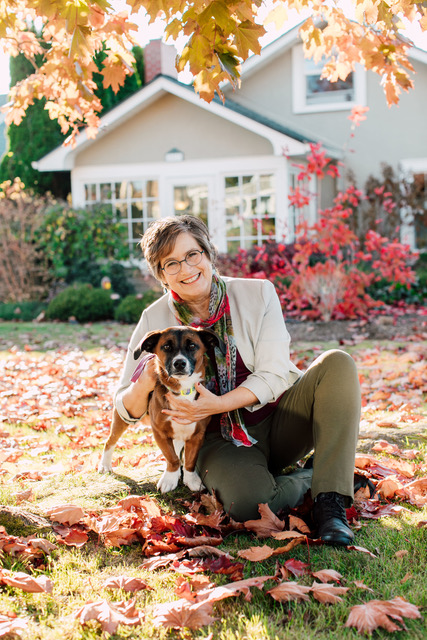
RM: I know what you mean, Brenda, about wanting those moments back. And yes, writing is a way to slow down those too-brief moments and to re-enter them through a different door. In my experience, memoir requires us to see ourselves (the narrator) as just one character in a cast of characters, mixing it up with the others. It indeed requires a shift in vision, as you say. The aperture of the camera lens opens, letting in more light in some places while shadowing others. And of course, once language gets hold of the memory, it changes once again. You begin to see forms coalesce, shape-shifting, re-forming an experience that had felt, at the time, formless.
RG: One phrase that stayed with me from the event was Rebecca’s idea of “connection, not correction.” How did caregiving change your understanding of what it means to be present with someone you love?
RM: Moving from correction toward connection was a long, bumpy journey. Besides several other medical problems, both my parents suffered from dementia—Mother from Alzheimer’s and Dad from vascular dementia after a series of strokes. The landscape of the world I was thrust into was unlike any I’d ever inhabited, so unlike the safe, logical, predictable world my parents and I had inhabited together in the past. Nothing made sense—at least the kind of sense I’d always counted on—and I deeply mourned that loss. But over the years, I slowly learned that to survive as a caregiver and as a daughter, I had to stop trying to force that lost world onto the present, ever-changing moment. I had to accept that though Dad would grow weaker and weaker in mind and body and Mother would never recognize me as her daughter, there were still many ways in which we could connect—sometimes in tears, sometimes in laughter, sometimes in silence, but always in love.
BM: I learned that phrase only afterward, and I wish I had it as a motto when I was going through the caregiving experience. I had to learn it the hard way. The best moments came when I gave up trying to make everything okay and just sat with my parents in the realities they were facing.
“The best moments came when I gave up trying to make everything okay and just sat with my parents in the realities they were facing.”
RG: Neither of these books is presented like a how-to guide, and yet both offer a kind of companionship for readers navigating caregiving, aging, loss, or family complexity. What did you hope the books might offer readers—especially caregivers, those receiving care, or anyone trying to stay connected through difficult change?
BM: Caregiving, as any caregiver will tell you, can feel very isolating. Though you may be interacting with many people a day—your loved one, doctors, social workers, staff at care homes, even your friends—there’s a sense of yourself hunkered down by yourself, soldiering through. The response I’ve received about Love You, Bye has been so enormously gratifying because readers are seeing themselves in my work. Though their lives and experiences may be very different, there is a kind of communion that’s happening around both the difficulties and the joys of being in these kinds of relationships.
I find that both our books are offering compassion: for both caregivers and those receiving care. When reading Rebecca’s book, I felt seen, I felt heard. I felt myself part of a larger community. In my earlier poetry chapbook, The Daughters of Elderly Women (some of these poems appear in Love You, Bye), many of the poems are told from a communal point of view, the “daughters of elderly women” and how we move through the world with our mothers on our arms.
RM: I’m glad you mentioned The Daughters of Elderly Women, as those poems marked some of the most pivotal moments of my reading experience, Brenda. Though I’ve read many books on the subject of caregiving, few, if any, are by writers who were themselves “of a certain age,” as my niece kindly describes me sometimes. Reading the poems, I was reliving all the moments of linking arms, physically and emotionally, with both my mother and my father; in fact my mother, who suffered from Alzheimer’s, often called me “Mom.”
And, yes, caregivers are part of a huge community. Each time I hear from readers or meet new people at a book reading or presentation, it’s clear that they are eager to tell their own story. So they do, and that is so gratifying. In fact, I’ve begun to compile many of their responses, which I imagine might one day become a communal text of some sort—an essay, perhaps, or a poem. Each individual story breaks open the silence and isolation that surrounds too many caregivers, and if my book serves to open those stories, that is all the reward I need.
RG: These are deeply personal books, involving not only your own experiences but the lives of parents, siblings, partners, and other family members. How did you navigate the responsibility of writing honestly about family while also protecting the dignity and complexity of the people you love?
RM: This challenge is an ongoing struggle for me, whether I’m writing memoir or personal essays or poems. It’s a challenge for every writer I know who deals with autobiographical material, and the boundaries are different for every writer. As for me, though I believe in writing freely, without restraint, when it comes to choosing what to make public, I use a great deal of restraint. I ask myself hard questions: Is this information, description, event, detail essential to the text I am creating? What is my motive in revealing this? Will a real-life person be hurt by this revelation? How would I feel if the tables were turned and the person wrote an equivalent text about me? The bottom line for me is: Real-life people, especially those close to me, are more important than any words I could ever write.
BM: I appreciate those questions, Rebecca, and I will keep them in mind for my next book! I tend to write with blinders on, as if no one will ever read the work, and then I kind of “forget” how this work might affect others. I stay in denial as long as I can.
For Love You, Bye, I was a bit worried about how my brothers and extended family would react, not because I say anything bad about them, but because I’m revealing a side of my parents’ lives they didn’t experience directly and that might upset them. Also, they have their own stories and experiences that aren’t represented here.
“The bottom line for me is: Real-life people, especially those close to me, are more important than any words I could ever write.”
Now that I’m on book tour, I’ve read from the book for the first time to an audience that included my younger brother, sister-in-law, and two nieces. And of course, I’ve given the book to other family members too. Their response has been beautiful, and if they have any reservations about what I’ve shared, they haven’t said so. I think if you’re writing your experience as authentically as you can, and if it’s clear you’re fashioning art out of that experience, most people will take it in the spirit it’s intended.
RG: Brenda, you mentioned that this is the most personal book you’ve written. What advice would both of you offer writers who are working with material that feels almost too intimate, too raw, or too emotionally charged to shape on the page, let alone present to the world?
BM: Just write it and worry about what to do with it later. That’s a practice: to allow your most intimate self on the page. Give it room to roam, to shout, to cry. Then, with the help of a couple of writing buddies, decide what shape to give it. Decide later what belongs only to you and what will serve others.
RM: Rachel, I had to smile when you used the word “advice,” as I’ve never been good at either giving it or taking it, ha! But I hold with Brenda’s idea of trying out the work on trusted readers before deciding what might best serve others. I certainly did that with several close readers over the decade of writing and revising the book, and their comments were absolutely essential in helping me discover the final shape, form, and voice for the book.
RG: You are both former RWW faculty members and will return for the 2026 residency in July. How has your connection to RWW influenced your work as writers, teachers, or mentors—and what are you looking forward to about being back in that community this summer?
RM: RWW is indeed a community, one that has influenced my reading, writing, and teaching life in more ways than I can count—in the stimulating morning talks, the challenging conversations in workshops and classes, the after-hours camaraderie, and the personal friendships that have grown over the years. I’m excited about reuniting with those I haven’t seen in a while and meeting new faculty, students, and staff—including you, Rachel. Thanks for the opportunity to collaborate. See you in July!
BM: Ditto! Since I retired from both Western Washington University and RWW, I’ve missed the energy, connections, and inspiration such communities provide. We always said RWW was like the best kind of summer camp for writers—exhausting and exhilarating. I look forward to lots of hugs, tears, and laughter when I see you all again!
* * *
Rebecca McClanahan is the author of twelve books, including In the Key of New York City: A Memoir in Essays and the widely used craft guide Word Painting. Her work has appeared in Best American Essays, Best American Poetry, Kenyon Review, The Georgia Review, and many other publications. She has received two Pushcart Prizes, the Wood Prize from Poetry, and the Glasgow Award in Nonfiction, among many other honors. She teaches in the MFA program at Queen’s University of Charlotte and conducts lectures and workshops throughout the country. More information is available at rebeccamcclanahanwriter.com.
Brenda Miller is Professor Emerita at Western Washington University, where she founded the MFA program in Creative Writing and served as Editor-in-Chief of The Bellingham Review. She is the author of six essay collections and co-author of the craft textbook Tell It Slant. A seven-time Pushcart Prize winner, she is widely credited with coining the term “hermit crab essay.” Love You, Bye is her most personal book yet. More information is available at brendamillerwriter.com.